|
January 2022 | Volume 16 | Number 11
|
|
|

FROM THE EDITOR
Hopefully by now you have become accustomed to writing “2022” on your checks and contracts. (Disclaimer: I’m not totally there yet, which is one more reason I am grateful for our excellent copy editor, Margaret Moore Booker.) After some initial shock, and perhaps even apprehension, it seems we have come to accept that another year is indeed upon us. However, The Biographer’s Craft isn’t ready to relinquish 2021 just yet. This month, we wrap up the recap of the “best of” lists for biographies published last year.
You will also find below a medley of responses from BIO members in response to my query of last month: How has the pandemic affected you? Many writers are happy to be moving into a year of new possibilities, and indeed it’s full steam ahead. Next month, we will have the “Spring Preview” and other forward-looking pieces. For now, though, let’s take one last look at the journey we have made so far.
I would also like to extend my thanks to all of those members who wrote in with news to be included in the February edition of the BIO Insider. It’s not too late for your news to be included! Please reply directly to this message or click this link to send along news and notes: editortbc@biographersinternational.org. I have responded to many of you, but if you have not heard back from me, please feel free to send a gentle nudge, as sometimes the inbox gremlins interfere with correspondence.
Sincerely,
Holly
|
|
|
|
“Best Books” of 2021, Continued
As a very accomplished biographer told me in response to this segment last month, “Compiling a list of the year’s best books is like making a list of the world’s best mothers based only on the ones you’ve hugged.” While there’s some truth to that, it’s also true that excellent biographies were published in 2021. This is a continuation of the effort undertaken last month to round up the various “best biographies” to hit shelves last year. BIO members’ names are in bold.
|
Kirkus Reviews’ “Best Biographies of 2021”:
Twelve Caesars by Mary Beard (Princeton University Press)
The Rise and Fall of Osama bin Laden by Peter L. Bergen (Simon & Schuster)
King of the Blues: The Rise and Reign of B. B. King by Daniel de Visé (Grove Press)
A Brave and Cunning Prince: The Great Chief Opechancanough and the War for America by James Horn (Basic Books)
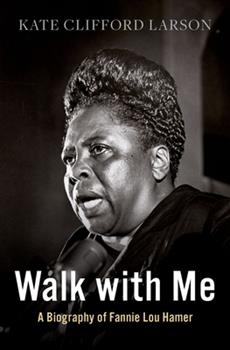
Walk With Me: A Biography of Fannie Lou Hamer by Kate Clifford Larson (Oxford University Press)
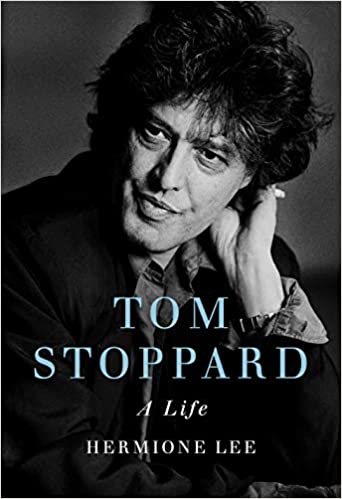
Tom Stoppard by Hermione Lee (Knopf)
The Young H. G. Wells by Claire Tomalin (Penguin Press)
Pessoa: A Biography by Richard Zenith (Liveright)
Publishers Marketplace, Electric Lit, and The Christian Science Monitor
Publishers Marketplace compiles lists of the “Top 10 Nonfiction” books and “Top 10 Fiction” books of the year, based on a “variety of highly selective lists, award nominees, bookseller and librarian picks, and more.” On the nonfiction list this year, Rebecca Donner’s All the Frequent Trouble of Our Days (Little, Brown and Company) tied for sixth place. It was the only biography to make the list.
Pessoa by Richard Zenith was also the only biography named to Electric Lit’s “Favorite Nonfiction Books of 2021” list.
The Christian Science Monitor named one biography to its “Best Nonfiction Books of 2021” list: A Life of Picasso IV: The Minotaur Years 1933–1943 by John Richardson (Knopf).
Book Marks by Lit Hub
Book Marks, the book review aggregator of Lit Hub, announced that these were the best reviewed biographies of 2021:
- Tom Stoppard by Hermione Lee (Knopf)
- Mike Nichols: A Life by Mark Harris (Penguin)
- Orwell’s Roses by Rebecca Solnit (Viking)
- A Ghost in the Throat by Doireann Ní Ghríofa (Biblioasis)
BBC, Barnes & Noble, and Library Journal
BBC Culture’s “Best Books of 2021” list featured the biography Orwell’s Roses by Rebecca Solnit (Viking).
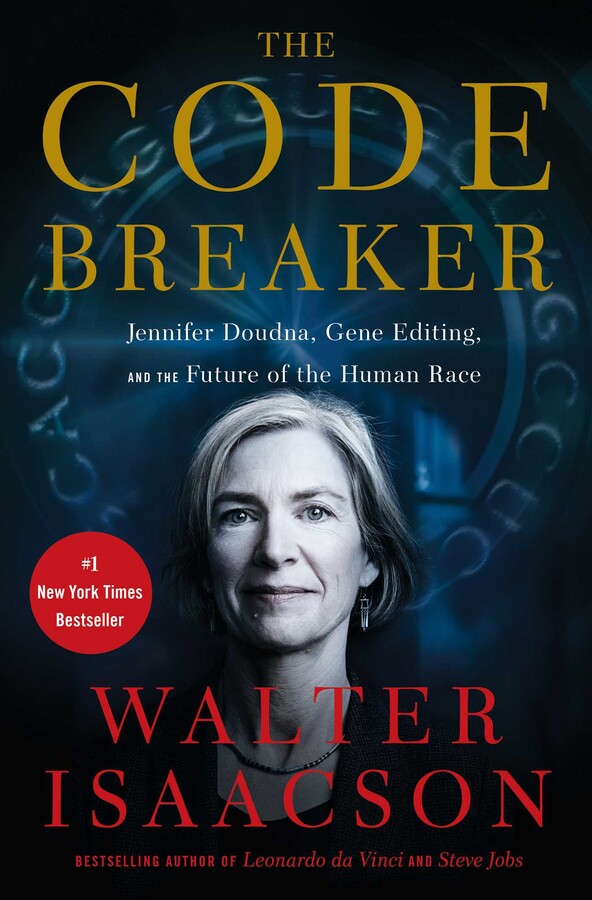
Walter Isaacson’s The Codebreaker: Jennifer Doudna, Gene Editing, and the Future of the Human Race (Simon & Schuster) was named a Barnes & Noble “Best Nonfiction Book of 2021” and a Smithsonian Magazine “Scholars Pick of 2021.”
On Library Journal’s best of 2021 lists, Daniel de Visé’s King of the Blues (Grove Press) made the “Best Art Books” list and Walter Isaacson’s The Codebreaker (Simon & Schuster) made the “Best Science & Technology Books” list.
|
|
|
|
EDITOR'S DESK
Members Share their Experiences of the Pandemic
In the December issue of The Biographer’s Craft, I asked BIO members to share their experiences of how the pandemic has affected their work as biographers. Here’s a roundup of the stories I received. (Statements have been edited and condensed for clarity.)
Zoom: Foe or Friend?
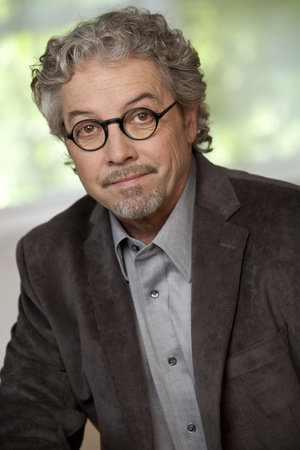 William Souder
William Souder, Minnesota: “My latest biography, Mad at the World: A Life of John Steinbeck (W.W. Norton & Co., 2020), was published in October 2020, in the depths of the second or third wave of the pandemic—I forget which—and a couple of months before the first vaccine arrived. Like everybody else with a book out at that time, I never left my desk for my promotional ‘tour.’ I was grateful to have a full slate of virtual events, but I missed the human interaction of signing books and shaking hands. I also doubted that any of these cyber appearances did much to sell the book. I heard a story, perhaps apocryphal but I bet not, about a famous author who had several thousand people attend her virtual event, only to sell a total of eight books from it.”
Lynda O’Connor, Illinois: “Being in the book promotion business has been hard these last two years because COVID has blocked some of the traditional ways that biographers get into the news. O’Connor Communications, my book publicity firm, used to depend on special events, bookstore signings, in-person book launches, and conferences to create book buzz, but those opportunities have been shut down. Zoom has replaced personal events, and this platform can be effective if you learn how to use Zoom properly. Be entertaining, informative, and glib, and show that you’re having fun in the limelight, and you can sell boatloads of biographies. What’s working now for book sales are good podcasts, radio shows, newspaper and magazine articles, and social media. If an author can be dynamic and entertaining while being interviewed, they will generate more interest in their book. Hard work, a belief in one’s book, and good contacts take authors a long way. And don’t forget to smile! The number one thing that biographers should do is to create a thoughtful, thorough marketing plan, which they follow-up on because this will keep them focused. Let’s hope that 2022 will be a banner year for biographies.”
When Archives Close
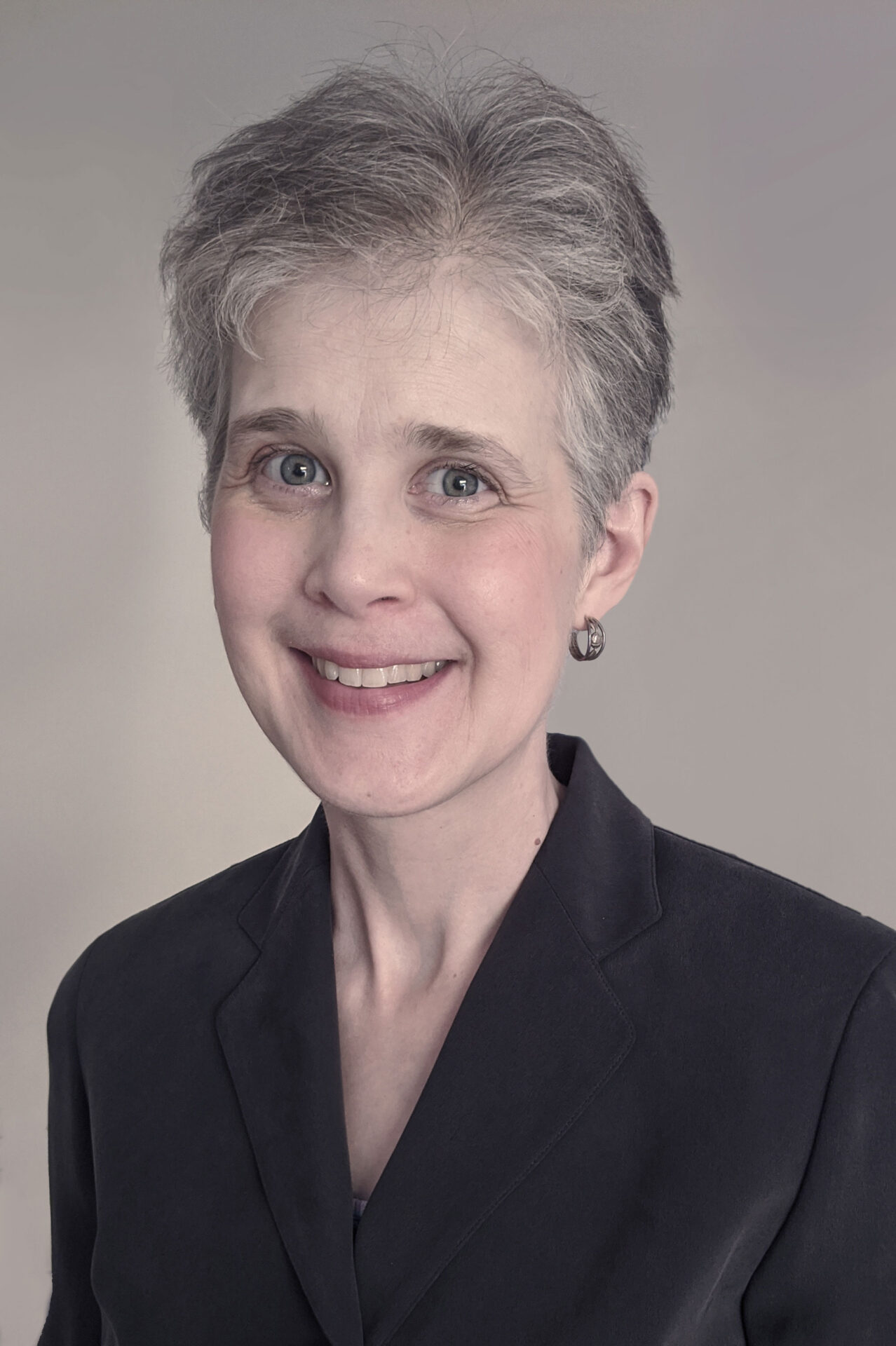 Amy Butler Greenfield
Amy Butler Greenfield, Oxfordshire, United Kingdom: “When COVID hit in March 2020, I was very lucky to have been nearly done with my research and the first draft of my book, The Woman All Spies Fear: Code Breaker Elizebeth Smith Friedman and Her Hidden Life (Random House Studio, 2021). What resources I still needed, I was able to get online or through the help of friendly archivists. Once it came out, I was able to do many events via Zoom and other online platforms, and I was even able to tape an interview with American Experience during a lull in cases during 2020. For the most part, however, immunosuppression means that my life is still very limited, and I am becoming concerned about when exactly I will be able to access archives and libraries again, particularly ones that are a plane ride away. I’m sure many others are in the same boat. They have my sympathies.”
Sara Fitzgerald, Virginia: “On January 2, 2020, Princeton University Library opened up the more than 1,100 letters that the poet T. S. Eliot wrote to his American love, Emily Hale, over the course of their lifetimes. Under the terms set by the Eliot estate, the letters can be read and transcribed at Princeton, but they cannot yet be duplicated. I was one of a small group of scholars and researchers who were at the library the day the letters were opened, and I stayed in Princeton for two more weeks to delve into them.
I had written a novel based on Hale’s life, The Poet’s Girl (Thought Catalog Books, 2020), and once I began reading the letters, I resolved to repurpose my research into writing a biography of her. I made plans to return to Princeton in late March, but just as that date approached (and fears of COVID were increasing), Princeton closed its libraries to outside researchers. John Haffenden, the editor of the other volumes of Eliot’s letters, has been working on the Hale letters ever since, and it has been announced that they will be published online later this spring. In the meantime, researchers like myself had to make do with what we had been able to review before the archive closed, sharing some resources among ourselves when we could.
In October 2021, Princeton reopened its Special Collections library, where the letters are housed, to four outside researchers at a time, by appointment, and with vaccination proof required. Because I had to travel from out of town, I looked ahead to determine when I would be able to spend a full two weeks there, noting that the library would be closed at various times over the Thanksgiving, Christmas, and New Year’s holidays. Accordingly, I made arrangements to go back for two weeks at the end of January, and put my travel plans in place. Today word came that Princeton has decided to reclose the library through January because of Omicron. This was disappointing, but not surprising, as I know how careful campuses are trying to be. In the meantime, I am continuing to try to write and do research as best as I can, but this has been very frustrating.
I have been able to get help from other libraries and archivists during this time, but major libraries have also been backlogged by the volume of requests for digitized documents. I am about to receive a separate request for documents from the Princeton Library, a request that has taken about nine months to fulfill. Meanwhile, it seems as if editors and agents have been deluged with the manuscripts others have been able to write during the pandemic. I hope there is still room for biographies on their desks!”
Cathy Curtis, California: “My most recent book, A Splendid Intelligence: The Life of Elizabeth Hardwick, was published this year by W. W. Norton, on schedule. (I submitted the manuscript in the spring of 2020, glad to have finished all the research in 2019.) But researching my biography of the great Irish author, Edna O’Brien, has been affected by the pandemic.
“The major archive I needed to consult is located at a university that was closed to outsiders for months. I began by ordering as many PDFs of file contents as the library permitted. Then I hired a graduate student to take phone photos of some of the material. To prioritize the folders I wanted, I kept in mind the years covered by the sample chapter I was writing. After I obtained a contract from Norton, I worked with the student again, asking her to revisit many of the boxes to capture the contents of files I had skipped the first time around. But there was still more material to be dealt with, and there really is no substitute for turning those pages yourself. The library finally opened to outside researchers late last summer, and I flew there in October to finish reviewing the boxes. Fortunately, there is no pandemic-related problem involved in working at home, so I have spent every day writing and revising the manuscript, which I expect to complete well before the late 2022 due date.”
When a Pub Date Gets Pushed, or An Idea Disappears
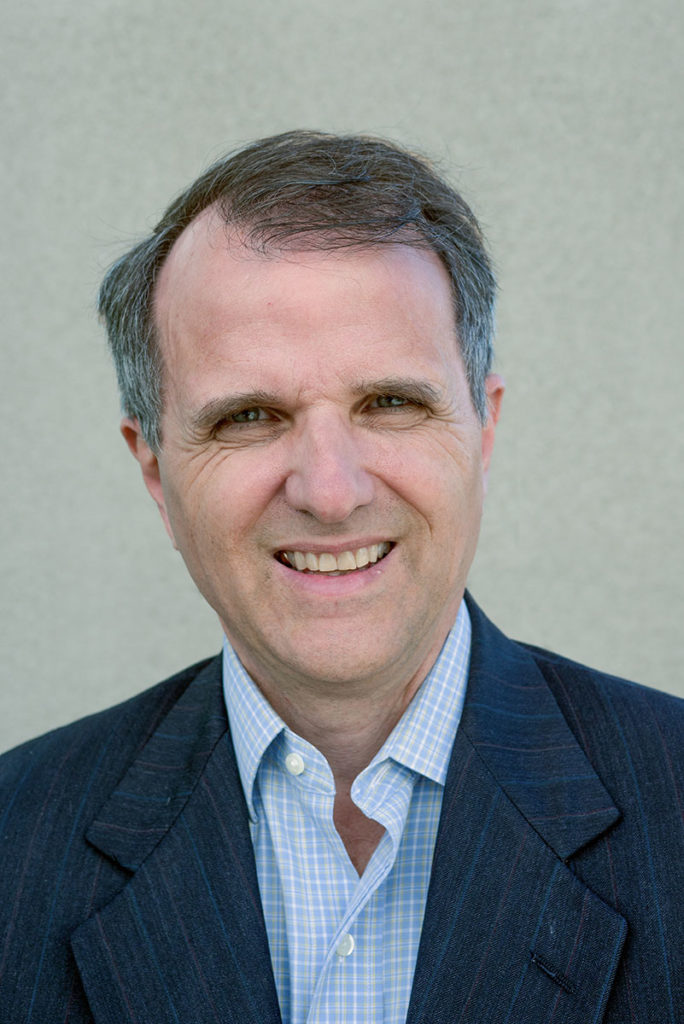 Walter Stahr
Walter Stahr, California: “The pandemic has affected my work in at least two ways: preventing me from doing some of the research I would have liked to do on the last stages of my Salmon Chase biography, Salmon P. Chase: Lincoln’s Vital Rival (Simon & Schuster, 2022), and delaying the publication of the book, from November 2021 to February 2022. Since most serious books are sold in December, as Christmas gifts, this delay will almost certainly mean a serious reduction in the lifetime sales of the Chase book; I cannot really hope for too much attention when we get to December 2022. I have to try to be philosophical, as I am sure Chase would want me to be.”
While these stories tell the challenge of continuing to research and write, the pandemic has forced many to contemplate not writing anymore at all. William Souder explored what went into his decision: “More consequentially, the pandemic cemented my decision to retire [after Mad at the World]. I would have done so anyway, probably. But, at 72, the health risks of going on the road, living in hotels, eating in restaurants, and sitting long hours in archives seemed unacceptable to me. Plus, the math was awful. Everything was on hold, and while I had several ideas for books, by the time I could develop a proposal, find a publisher, do the research, write the words, and then spend a year repairing all my missteps with an editor, I’d be pushing 80 and putting most of my energy into not drooling. So I’m glad I’m going to spend the coming years otherwise engaged. I’ve got lots of ideas for that, too.”
|
|
|
|
MEMBER INTERVIEW
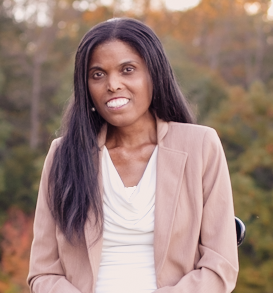
6 Questions with Cynthia Johnson-Oliver
What is your current project and at what stage is it?
My current project is tentatively titled The Soul of the Bishop: The Remarkable Life of Bishop Joseph A. Johnson Jr., which is a biography about my grandfather, who was the first African American to graduate from Vanderbilt University and the first to integrate a private, white university in the South. He was also the first to receive a Ph.D. degree from Vanderbilt and the first to serve as a full member of the university’s Board of Trust. He later became a bishop in the Christian Methodist Episcopal (CME) Church, a professor of the New Testament, and a scholarly pioneer in the field of Black liberation theology, which emerged at a critical time during the civil rights movement. Today, the Bishop Joseph Johnson Black Cultural Center honors his legacy on the Vanderbilt campus.
While his list of accomplishments is extraordinary, it does little to portray the complex, difficult, and often harrowing journey that led him from being a groundskeeper at Vanderbilt to becoming their first African American graduate. The biography utilizes extensive archival and oral history research and draws upon the rich legacy of the Black church to present the untold story of another “hidden figure” in the history of civil rights in America.
As far as where things stand, this is my first biography. So far, I have received grants from the Louisville Institute (funded by the Lily Endowment), Vanderbilt University, and the United Methodist Commission on Archives and History. I’ve completed an extensive amount of archival research, and I have numerous hours of interview footage through my companion oral history project. I’m about halfway to a manuscript draft, and I also have a book proposal in revision.
Who is your favorite biographer or what is your favorite biography?
I don’t know that I have an all-time favorite biographer, but lately I’ve been focusing on African American lives. I’ve really enjoyed reading Frederick Douglass: Prophet of Freedom by David Blight and Looking for Lorraine: The Radiant and Radical Life of Lorraine Hansberry by Imani Perry. Another biography I enjoyed was Self Made: Inspired by the Life of Madam C. J. Walker (formerly On Her Own Ground) by A’Lelia Bundles. I especially appreciated Bundles’s work for the way it models how to write about an ancestor. Bundles, of course, is a descendant of Walker.
What have been your most satisfying moments as a biographer?
There is a lot of oral history about my grandfather, and some of it sounds a bit legendary. Some of my most satisfying moments have been to find archival evidence that corroborates those aspects of the oral history. For example, he was known as a phenomenal preacher and orator. Well, I’ve found numerous historical news articles in which reporters seem to marvel at his preaching style and oratorical abilities, noting that he was a guest preacher or speaker at various events throughout the world. The word “spellbound” was used to describe his audiences in one article from the 1960s. Another bit of oral history is that he had standing room only at his class lectures in Atlanta because many ministers who were not enrolled would come from throughout the city to attend his lectures. Well, sure enough, I found an image in an academic archive of him lecturing in front of a large classroom, with no empty seats, at his relatively small seminary.
Surprises are also satisfying, particularly moments of synchronicity. Last spring, shortly after my older daughter decided to enroll at Oberlin College, I found articles about my grandfather participating in an important ecumenical conference that took place in Oberlin in 1957. There is an image of my grandfather standing outside of a nearby church, the only African American in a group of participants from Vanderbilt University. Late last year, when we visited my daughter at Oberlin during parent’s weekend, our family took a photo at that same location. But I would not have known of that history but for my book project, and it was nice to feel that my grandfather was our advance team member as we sent our daughter off to college!
What have been your most frustrating moments?
As a biographer, I am committed to telling the whole truth. Therefore, it is frustrating to me when people are hesitant to share information that may reflect negatively on my grandfather. I have to frequently explain that my aim is not hagiographic. That would not be as interesting to read, nor would it be compelling to write. I know that my grandfather had complexities and faults and challenges like everyone else. To the extent that there was an evolution in his character, I think it will be more interesting and instructive to include that, so that we have a better understanding of his journey. I always envisioned that such information would be difficult to write, not difficult to obtain!
If you weren’t a biographer, what dream profession would you be in, and why?
As a matter of fact, writing biography was my dream profession while I was working in my previous role. I took a research sabbatical from serving as an associate pastor at a large church in order to focus on writing biography, and I haven’t really looked back. (As an aside, as a minister, I was always quite good at writing and delivering eulogies—a very different form of life writing, but another intriguing source of synchronicity.)
Thus, writing still is my dream profession. If I wasn’t writing biography, I would write poetry or memoir. From time to time, I’ve considered returning to academic religious studies, which was my initial plan when I studied comparative religion at Harvard College and Harvard Divinity School. At this point, I don’t know if it’s [a] dream profession or simply “the one that got away,” but it’s worthy of mention.
What genre, besides biography, do you read for pleasure and who are some of your favorite writers?
Beyond biography and history, my reading is quite varied. I read poetry. Lately, I’ve been enjoying the works of Joy Harjo, Jericho Brown, Natasha Tretheway, and other contemporary poets. I also enjoy religious studies or comparative religion, focusing, lately, on contemplatives such as Howard Thurman, Thich Nhat Hanh, Joan Chittister, and Richard Rohr. I’ve found that works on contemplative spirituality complement the writing life, especially during the more solitary moments of the pandemic. Every year, I try to (re)read a “classic” of a particular field, and last year I revisited The Souls of Black Folks by W. E. B. DuBois and poems by Emily Dickinson. Lastly, to keep my classical language skills fresh, I regularly try to read passages in Greek and Latin from the Septuagint, Greek New Testament, or Latin Vulgate.
For more information about Cynthia Johnson-Oliver, visit her website or her Twitter account.
|
|
|
|
WRITERS AT WORK
Gretchen Holbrook Gerzina
How do biographers do what they do? Or more precisely, how do they organize the space where they conceive of projects, go through notes, write and rewrite their books? With Writers At Work, we offers glimpses into the working spaces of fellow biographers, with the writers describing what works for them and perhaps offering tips on what others should or shouldn’t do.
This month, Gretchen Holbrook Gerzina shows us where she works.
Please share pictures of where you work with us with the subject line as “Writers At Work,” so we can include them in future issues.
|
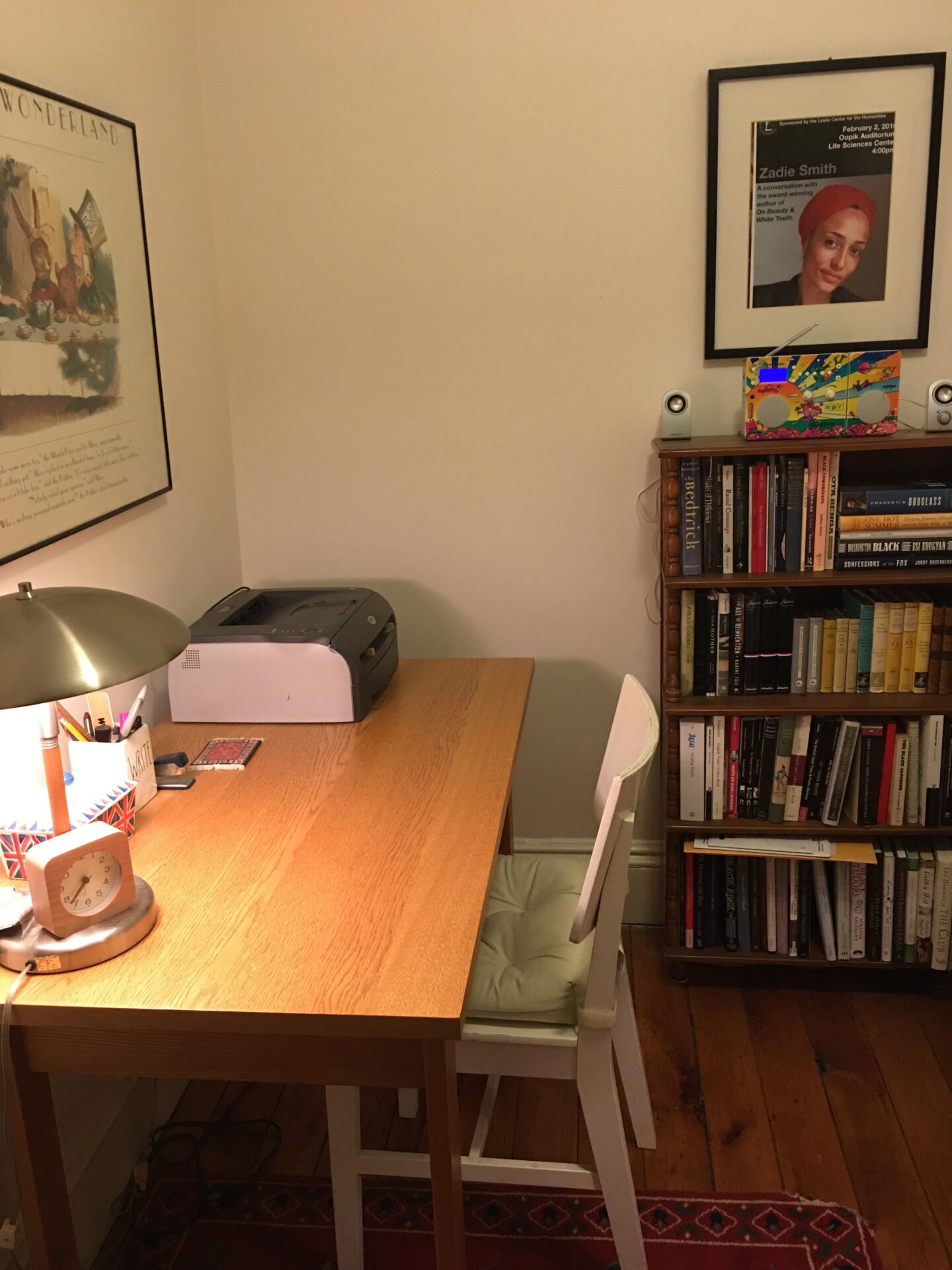
Gerzina says, “I’m saying good-bye to my Brooklyn study after several productive years there. But the New Year is ringing in a new workspace, just a few blocks away!”
|
|
|
|
AMANUENSIS
“How Times Reporters Handle Prickly Conversations with Celebrities”
by Sarah Bahr
(from The New York Times)
The movies make it seem so glamorous: An interviewer walks into a restaurant to share salad and conversation with a celebrity for an upcoming profile. The writer leaves two hours later with plans to hang out again and a notebook full of juicy tidbits.
But in reality, it might take 40 emails and weeks of back-and-forth correspondence with half a dozen people, including publicists, managers and representatives, to set up an hourlong interview—whether over lunch or video—with a celebrity. And sometimes, the conversation isn’t quite so relaxed.
Three writers for The New York Times—Taffy Brodesser-Akner, a staff writer for The New York Times Magazine who has profiled the likes of Gwyneth Paltrow and Tom Hanks; the pop music reporter Joe Coscarelli; and the magazine’s “Talk” columnist, David Marchese—recently shared how they tackle the celebrity interview and how they handle tricky moments during the conversation. FULL STORY
Amanuensis: A person whose employment is to write what another dictates, or to copy what another has written. Source: Webster’s Revised Unabridged Dictionary (1913).
|
|
|
|
KEEP YOUR INFO CURRENT
Making a move or just changed your email? We ask BIO members to keep their contact information up to date, so we and other members know where to find you. Update your information in the Member Area of the BIO website.
|
|
|
MEMBERSHIP UP FOR RENEWAL?
Please respond promptly to your membership renewal notice. As a nonprofit organization, BIO depends on members’ dues to fund our annual conference, the publication of this newsletter, and the other work we do to support biographers around the world.
|
|
|
|
|
|
BIO PODCAST
New Episodes for January
Be sure to catch the latest episodes of BIO’s podcast! Most recently, Kitty Kelley interviewed Gary Ginsberg, author of First Friends: The Powerful, Unsung (and Unelected) People Who Shaped Our Presidents (Twelve, 2021). And, on Friday, January 28, an episode featuring John “Jack” Farrell interviewing Debby Applegate about her new book, Madam: A Biography of Polly Adler (Doubleday, 2021), will be released. EPISODES HERE
|
|
|
|
BIO BOARD OF DIRECTORS
Linda Leavell, President
Sarah S. Kilborne, Vice President
Marc Leepson, Treasurer
Steve Paul, Secretary
Kai Bird
Heather Clark
Natalie Dykstra
Gretchen Holbrook Gerzina
Anne Heller
Carla Kaplan
Kitty Kelley
Anne Boyd Rioux
Holly Van Leuven
Eric K. Washington
Sonja D. Williams
ADVISORY COUNCIL
Debby Applegate, Chair • Taylor Branch • Robert Caro • Ron Chernow • Tim Duggan • John A. Farrell • Irwin Gellman • Michael Holroyd • Peniel Joseph • Hermione Lee • David Levering Lewis • Andrew Lownie • Megan Marshall • John Matteson • Jon Meacham • Marion Meade • Candice Millard • James McGrath Morris • Andrew Morton • Arnold Rampersad • Hans Renders • Stacy Schiff • Gayfryd Steinberg • T. J. Stiles • Will Swift • William Taubman • Claire Tomalin
|
|
|
|
|
THE BIOGRAPHER'S CRAFT
Editor
Jared Stearns
Associate Editor
Melanie R. Meadors
Consulting Editor
James McGrath Morris
Copy Editor
James Bradley
|
|
|
|